What this catalogue is
iA description of the product groups an enquiry can be raised against, with the considerations that matter for each. Use it to frame your requirement before you write.
Product Catalogue
Five product groups, each describing a type of requirement that can be discussed. This is a catalogue of categories and considerations — not an online shop, and not a list of parts held on a shelf.
A description of the product groups an enquiry can be raised against, with the considerations that matter for each. Use it to frame your requirement before you write.
There are no prices, stock levels, part numbers, availability statements or shipping rates on this site. Nothing here can be added to a basket, because that is not how a safety-related component should be bought.
Technical information can be discussed according to the specific product requirement. No specifications are published here that have not been verified against an actual product.
01
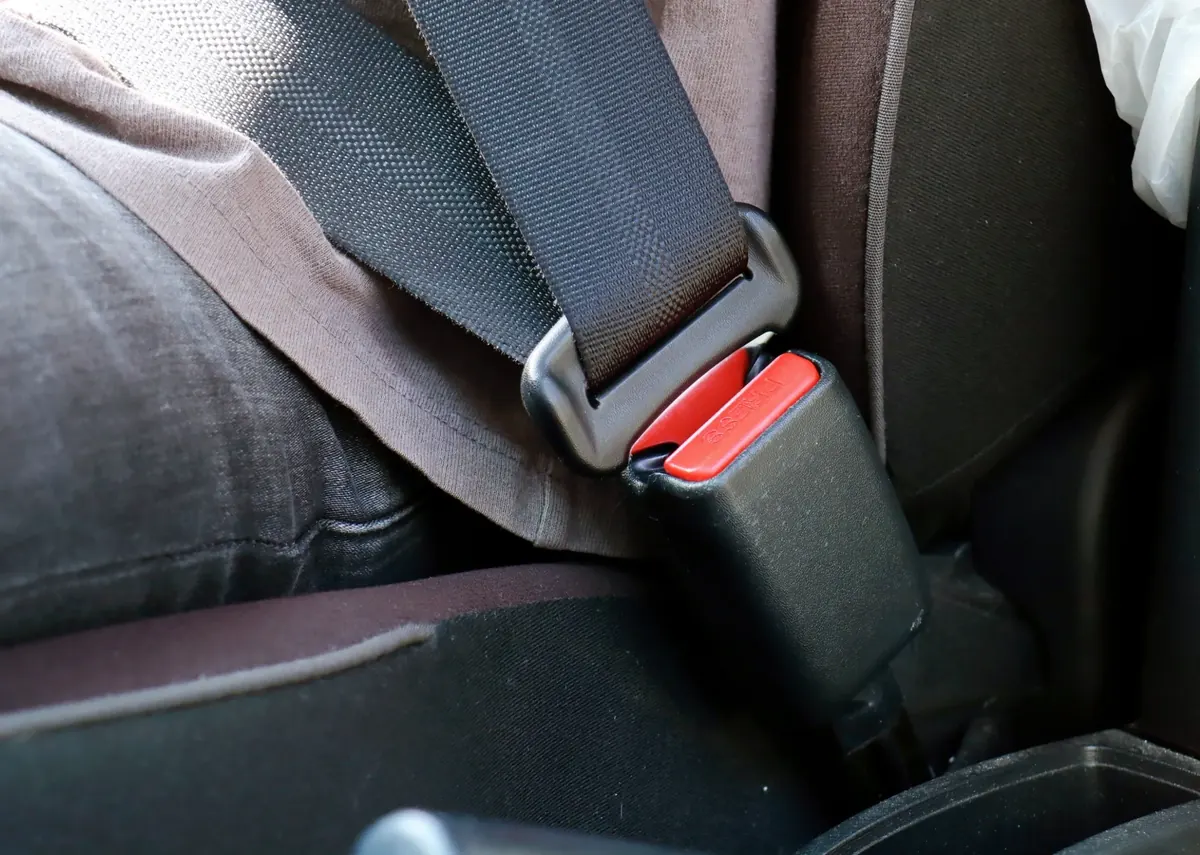
The shoulder-and-lap configuration used across most modern passenger seating positions, supplied as a complete assembly rather than as separate parts.
A three-point assembly is a system: webbing, retractor, shoulder guide, tongue plate, buckle receiver and the mounting hardware that ties it to the vehicle structure. Its behaviour comes from how those elements work together, which is why the assembly is normally discussed and supplied as one item rather than assembled from separately sourced components.
Assemblies differ by seating position, by the geometry of the mounting points, by webbing length and travel, and by how the retractor is packaged. Two assemblies that look alike in a photograph may not interchange. Establishing the vehicle, the seating position and the mounting arrangement is what makes an enquiry answerable.
Application considerations
Technical data. Technical information can be discussed according to the specific product requirement.

02
Two-point restraint arrangements used in centre seating positions, bench seating and specific vehicle layouts.
A two-point belt restrains across the lap only. It remains in use where the seating layout or vehicle structure does not carry a shoulder anchorage — centre rear positions in some vehicles, certain bench arrangements, and particular commercial and specialist layouts.
Because two-point belts are often simpler mechanically, they are sometimes assumed to be interchangeable. They are not. Webbing length, buckle type, adjuster arrangement and the anchorage geometry still determine whether a given belt suits a given position, and a two-point belt should never be treated as a substitute for a three-point arrangement in a position designed for one.
Application considerations
Technical data. Technical information can be discussed according to the specific product requirement.
03
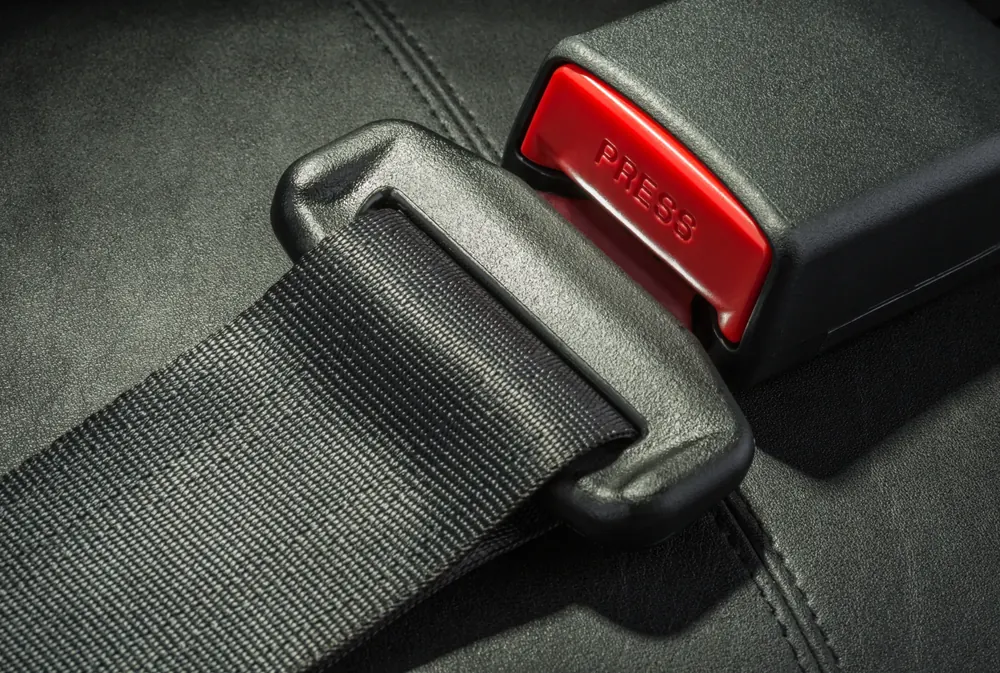
Belt systems built around a retractor, which manages webbing take-up and controls how the belt behaves in normal use.
The retractor is the part of a seatbelt system that most affects how it feels to the occupant: how freely webbing pays out, how it takes up slack, and how it responds when the vehicle moves. It is also the part most tightly bound to the specific vehicle installation, because the housing must package into the pillar, seat or body structure it was designed for.
Retractor requirements are therefore rarely satisfied by a generic equivalent. The mounting arrangement, orientation, webbing exit direction and the space available around the housing all narrow what will actually fit. Photographs of the installed position are usually more useful here than any written description.
Application considerations
Technical data. Technical information can be discussed according to the specific product requirement.

04
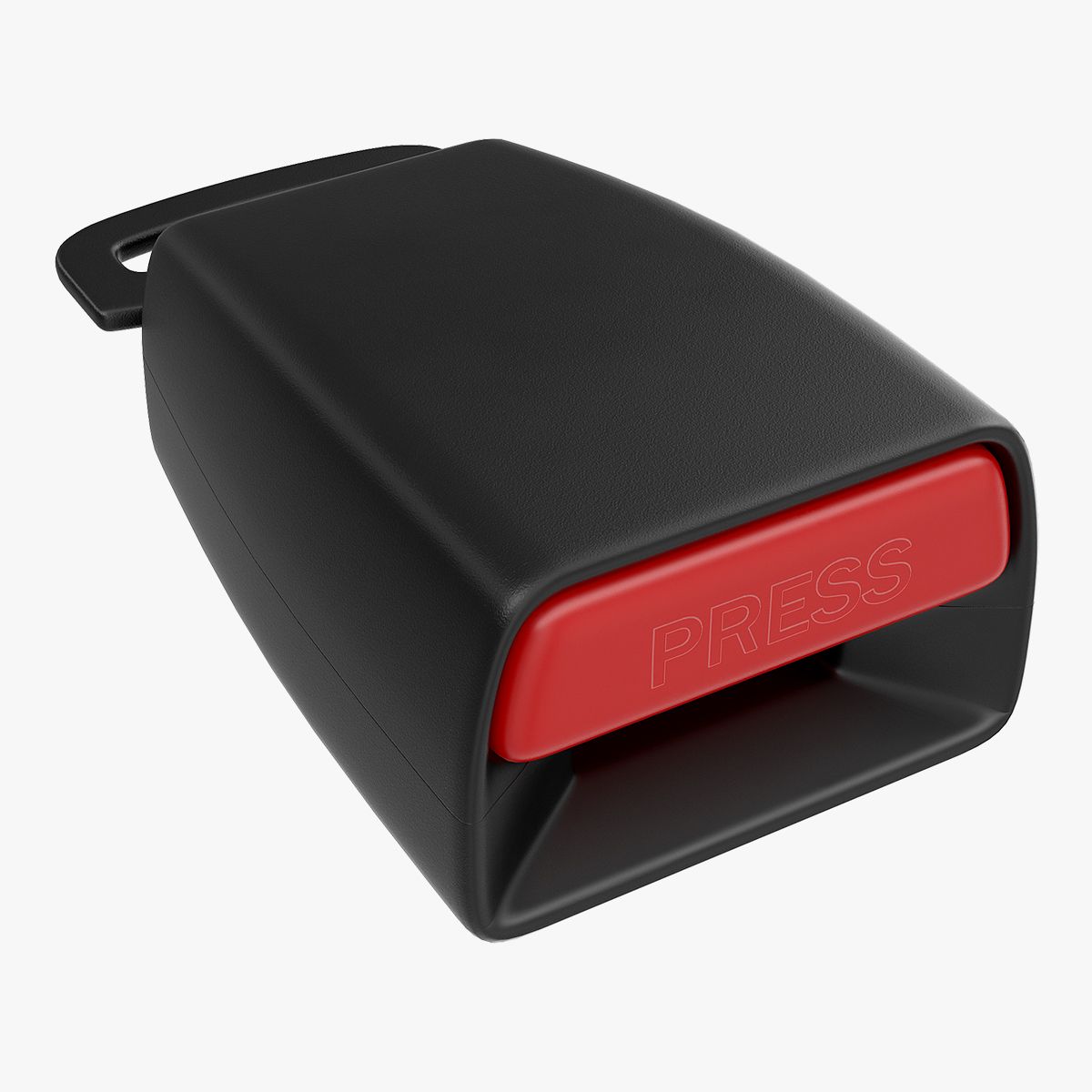
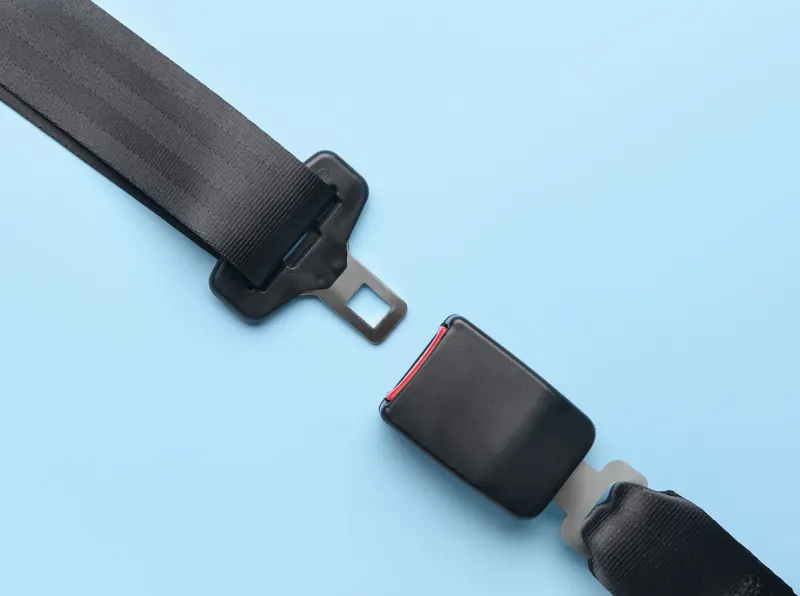
The engagement components — the tongue plate that inserts, and the buckle receiver that holds and releases it.
Tongue and receiver are a matched pair. The slot geometry, plate thickness, latch arrangement and release mechanism are designed together, and a tongue that physically enters a receiver is not the same thing as a tongue that belongs in it. This is the single most common source of confusion in component-level seatbelt enquiries.
Receivers also differ in how they mount — on a stalk, on a webbing section, or directly to structure — and in the length and stiffness of that mounting. When enquiring about either half, it helps enormously to photograph both, together, from more than one angle.
Application considerations
Never mix unmatched engagement components. A tongue and receiver should only be used as the matched pair they were designed as. Suitability must be confirmed by a competent person for the specific vehicle and seating position.
05
Webbing sections, guides, height adjusters, anchor plates and related parts, enquired about individually rather than as a full assembly.
Component-level requirements come up constantly: a damaged shoulder guide, a height adjuster that no longer holds, an anchor plate lost during a repair, a webbing section that needs replacing. These are legitimate enquiries and often the most practical way to resolve a problem — provided the component is identified properly and its role in the assembly is understood.
What matters at component level is context. The same guide or adjuster can appear in several assemblies with different geometry, and a part that mounts is not necessarily a part that belongs. Tell us what the component sits within, not just what the component is.
Application considerations
Technical data. Technical information can be discussed according to the specific product requirement.
Technical Data
Publishing unverified numbers about a safety-related component is worse than publishing none. So none of the following appears anywhere on this website:
Technical information can be discussed — against a specific product and a specific requirement, where it can be confirmed rather than asserted. Raise what you need to know in your enquiry and it will be addressed directly, including where the answer is that we cannot confirm it.
Enquiries
Share your product requirement, application details and destination information so the requirement can be evaluated clearly.